Abstract
NeuroTech Innovation: Wearables, Brain Monitoring Real-World Data in Neurology
Pages: 20-22
Category: Editorial
Published Date: 27-05-2026
Akash Verma1
Author Affiliation:
General Physician, Akash Hospital, New Delhi, India
Keywords:
Brain Monitoring, Real-World Data in Neurology, NeuroTech
Abstract:
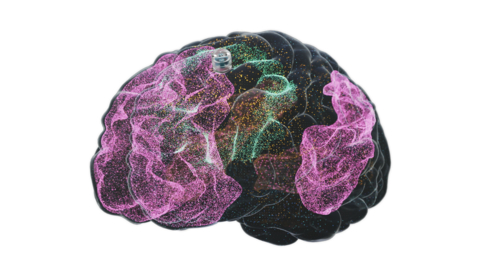
The field of neurology is undergoing a transformative shift driven by rapid advances in NeuroTech innovation. From wearable biosensors and portable electroencephalography systems to artificial intelligence (AI)-assisted brain monitoring platforms, technological integration is reshaping how neurological disorders are detected, monitored, and managed [1,2]. These innovations are not only improving diagnostic precision but are also enabling clinicians to capture continuous, real-world neurological data outside traditional hospital settings [3]. Wearable technologies have emerged as one of the most promising developments in contemporary neurology. Devices capable of monitoring gait abnormalities, tremors, sleep disturbances, seizure activity, heart rate variability, and cognitive performance are increasingly being incorporated into clinical workflows [4]. Such tools provide clinicians with longitudinal insights into disease progression and treatment response in disorders including Parkinson’s disease, epilepsy, multiple sclerosis, Alzheimer’s disease, and stroke rehabilitation [5]. Unlike episodic clinical evaluations, wearable systems generate continuous streams of physiological and behavioral data, offering a more realistic representation of patient health in daily life [6]. Brain monitoring technologies have also evolved significantly over the past decade. Portable EEG devices, neuroimaging advancements, and cloud-connected neural monitoring platforms are facilitating early detection and personalized intervention strategies [7]. In neurocritical care and epilepsy management, remote brain monitoring has demonstrated the potential to improve patient outcomes through timely identification of neurological deterioration [8]. Simultaneously, advances in brain–computer interfaces and digital neurodiagnostics are opening new frontiers in cognitive assessment and neurorehabilitation [9]. A particularly important aspect of modern NeuroTech is the increasing use of real-world data (RWD). Traditionally, neurological research relied heavily on controlled clinical trials conducted under highly regulated conditions. While such trials remain essential, they often fail to fully capture the complexity of patient experiences in real-life environments. Real-world evidence generated through wearable devices, electronic health records, mobile applications, and patient-reported outcomes is now becoming invaluable for precision neurology [10]. These datasets enable researchers to understand disease heterogeneity, evaluate long-term therapeutic effectiveness, and identify digital biomarkers that may predict disease progression [11]. Artificial intelligence and machine learning are further accelerating the value of NeuroTech innovations. AI-driven algorithms can analyze massive datasets obtained from wearables and monitoring devices, identifying subtle neurological patterns that may be overlooked during routine clinical assessments [12]. Predictive analytics has the potential to support early intervention, reduce hospitalization rates, and personalize treatment pathways. However, alongside these opportunities come important challenges related to data privacy, interoperability, ethical governance, algorithmic transparency, and equitable access to digital healthcare technologies. As the neurological sciences continue to evolve, collaboration between clinicians, engineers, data scientists, and healthcare policymakers will be essential. Integrating NeuroTech into mainstream clinical practice requires robust validation studies, standardized regulatory frameworks, and patient-centered implementation strategies. Furthermore, ensuring accessibility and affordability of these technologies remains critical, particularly in low- and middle-income healthcare settings. This editorial highlights the growing importance of wearable technologies, advanced brain monitoring systems, and real-world data analytics in shaping the future of neurology. NeuroTech innovation has the potential to redefine neurological care by enabling continuous monitoring, earlier diagnosis, personalized treatment, and improved patient engagement. The coming decade will likely witness unprecedented integration of digital technologies into neuroscientific research and clinical neurology, paving the way toward more connected, data-driven, and precision-focused neurological healthcare.